
Dr. Paul Westerhoff, Fellow of Arizona State University, USA, discusses cutting-edge trends and challenges in wastewater reuse
Trends and Challenges in Unplanned, Planned, and Industrial Wastewater Reuse from a U.S. Perspective
Time: 2025-10-07
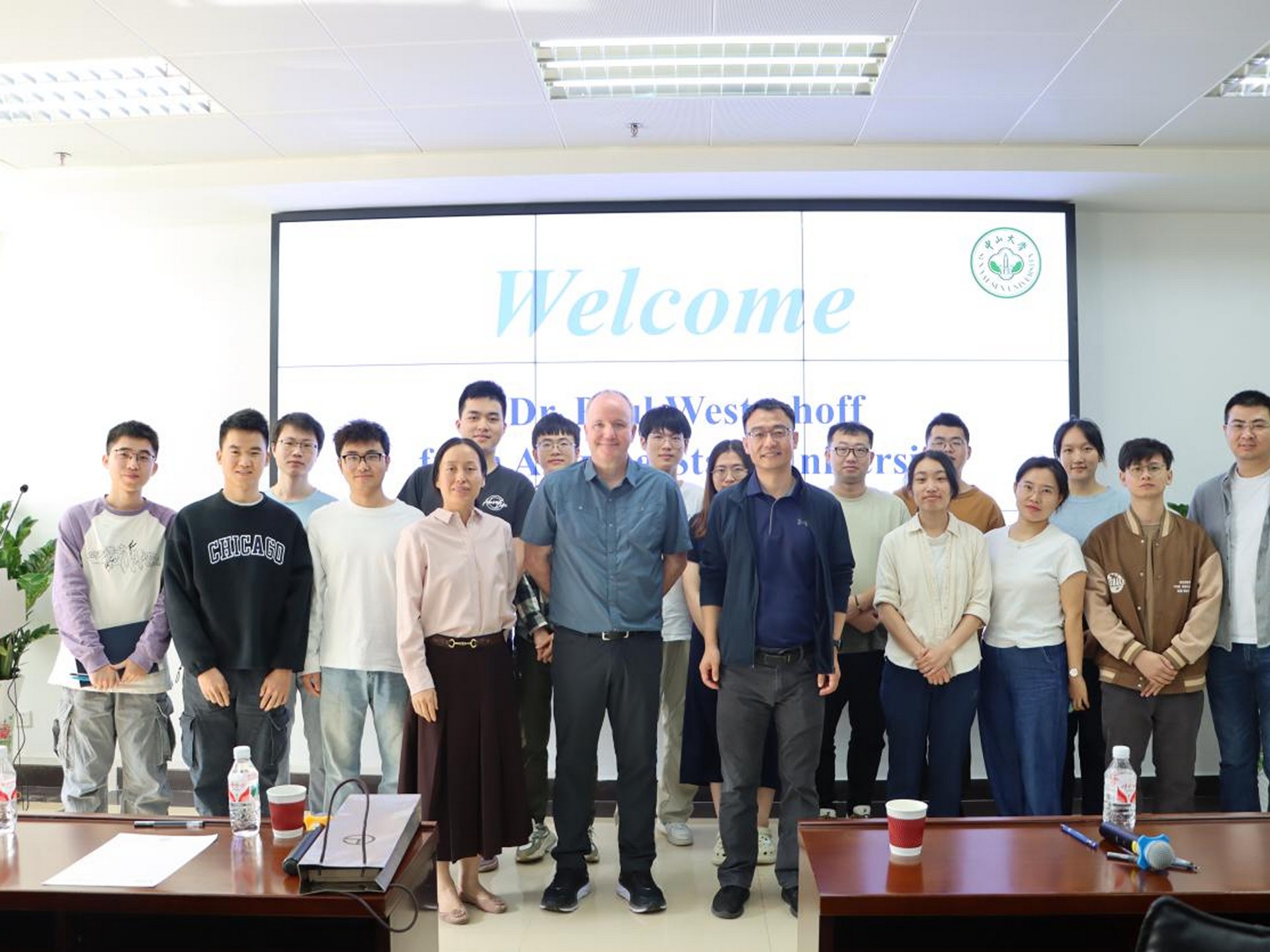
On November 5, 2024, Dr. Paul Westerhoff, Fellow of Arizona State University, USA, was invited to deliver an academic report entitled "Trends and Challenges in Unplanned, Planned, and Industrial Wastewater Reuse from a U.S. Perspective", presided over by Wang Peng, Dean of the Institute of Carbon Neutrality and Green Development.
Dr. Westerhoff pointed out that with population growth and the diversification of water resource demands, wastewater reuse practices in the United States are changing.
In unplanned wastewater reuse, the impact of wastewater discharged upstream on downstream drinking water has received increasing attention, especially the potential risks of per- and polyfluoroalkyl substances (PFAS) to drinking water supply.
Planned drinking water reuse is expanding rapidly in the United States, and more and more states are beginning to adopt treatment methods that do not rely on reverse osmosis (RO) to address the challenges of brine management.
In the industrial sector, enterprises' pursuit of sustainability has driven innovations in wastewater treatment technologies, and zero liquid discharge technology has become one of the most urgent needs currently.
In addition, emerging technologies such as atmospheric water harvesting are being explored, but achieving cost-effectiveness still requires breakthroughs at the material and system levels.
